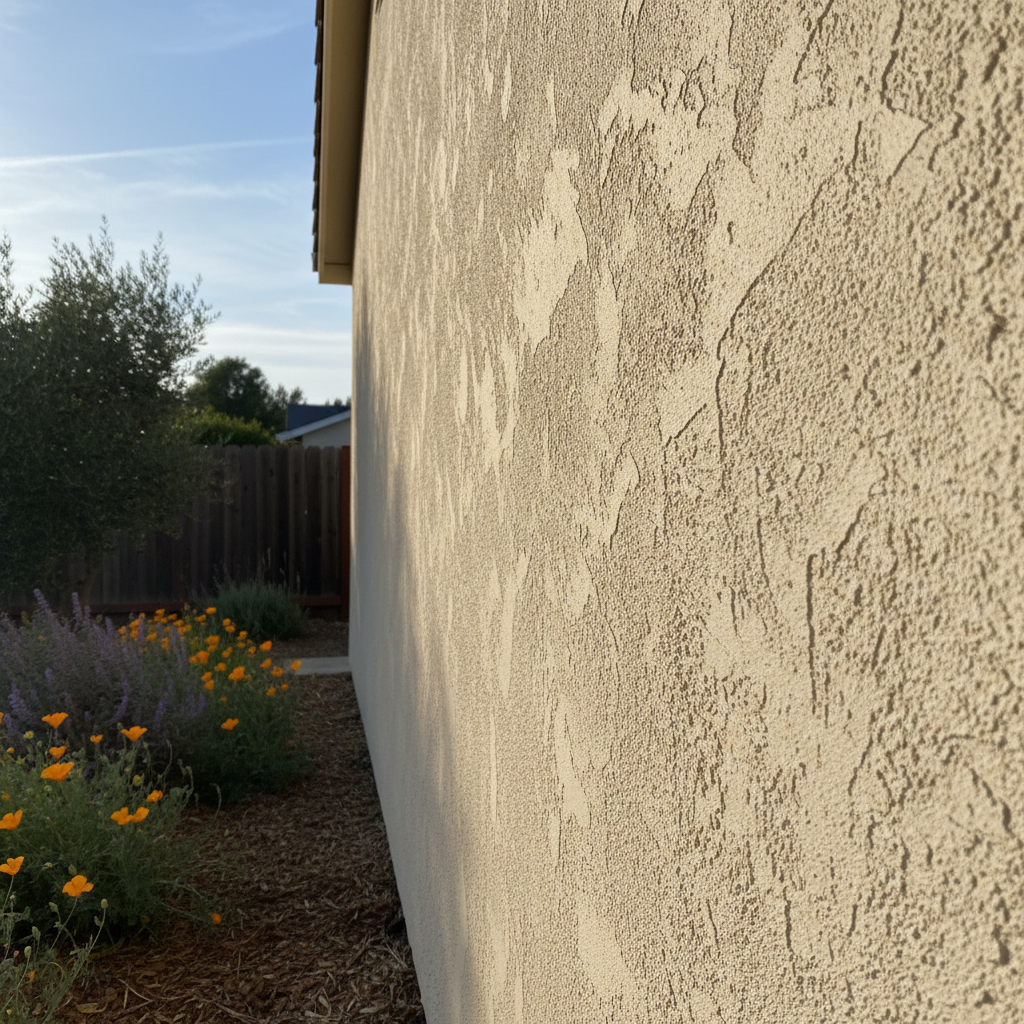
So, you're staring at your house, huh? Thinking it's high time that stucco disappeared? Maybe it's just old, cracked beyond fixing, or you simply want a fresh look. I get it. Stucco removal isn't a small task, but it's definitely something you can tackle in parts yourself. Other parts? Nope, you absolutely shouldn't even try.
Before You Start: Planning and Permits
First things first, don't just grab a hammer and start swinging. You really need a plan. The biggest puzzle piece here is figuring out what's hiding under that stucco. Is it wood siding? Plywood sheathing? Old brick? Knowing this will pretty much decide how you move forward and what your next steps are for your home's exterior.
You also need to think about permits. Here in Hayward, especially if you're changing the outside material or doing any structural work, you'll probably need a permit from the city. Seriously, don't skip this. Getting caught without one means fines and potentially having to redo work, and nobody wants that headache. Check with the Hayward Building Department. They're usually quite helpful if you walk in with your questions ready.
Another thing to consider is lead paint and asbestos. If your house went up before 1978, there's a chance the stucco or the layers underneath could have lead paint. If it's really old, like pre-1980s, there's a small possibility of asbestos in some older stucco applications or the stuff it's attached to. You'll want to get that tested. Honestly, this isn't something to mess around with; breathing in those fibers or dust is a serious health risk. If tests come back positive, you'll need professional abatement, and that's definitely not a DIY job.
The Removal Process: DIY vs. Pro
Okay, let's talk about actually getting it off. Can you do it yourself? Parts of it, sure. The physical act of chipping off stucco? Absolutely. It's tough work, dusty, and messy, but it's not rocket science.
- Tools you'll need: A good hammer, a pry bar, a flat shovel, a chisel, and maybe a small jackhammer or a rotary hammer with a chisel bit for bigger areas. Don't forget heavy-duty gloves, eye protection, a good dust mask (or even a respirator), and long sleeves/pants. This stuff is sharp, abrasive, and will scratch you up.
- Containment: This is HUGE. Stucco dust goes everywhere. Cover everything around your house with tarps – landscaping, windows, even neighboring properties if they're close. You'll thank yourself later, trust me.
- Technique: Start at an edge or a crack. You're trying to get behind the stucco and pry it off the lath (that's the mesh it's attached to). Sometimes it comes off in big chunks, sometimes it's tiny pieces. Be careful not to damage what's underneath if you plan on keeping it.
Now, when should you call a pro? If you're dealing with lead or asbestos, that's a no-brainer – get a certified abatement company. If you find significant damage to the sheathing or framing underneath, like rot or termite damage, you're going to need a contractor who specializes in framing or general construction. Trying to fix structural issues yourself without the right experience can lead to much bigger problems later on.
Also, if you're planning on putting up a new exterior system like siding or new stucco, and you're not confident in your ability to properly prepare the surface, install new weather barriers, or ensure proper flashing around windows and doors, that's where a company like Precision Stucco comes in. We see a lot of homes in the Hayward hills where improper flashing lets water in, especially with our rainy winters. Getting that right is absolutely critical.
After the Stucco is Gone: What's Next?
Once all the old stucco is off, you've got a blank canvas. This is your chance to really inspect everything. Look for any signs of moisture damage, pest infestations, or structural issues that the stucco was hiding. Address these problems before you put anything new on.
You'll probably need to clean up the underlying surface, remove any remaining lath or fasteners, and get it ready for whatever new exterior finish you've chosen. This might involve new sheathing, a weather-resistive barrier, or specific preparations for siding or new stucco.
Remember, taking off stucco is just the first step. The real work often starts once it's gone. If you're feeling overwhelmed at any point, or if you uncover something unexpected, don't hesitate to reach out to a professional. It's always better to get expert advice than to make a costly mistake trying to save a few bucks. Your home is your biggest investment; treat it right.