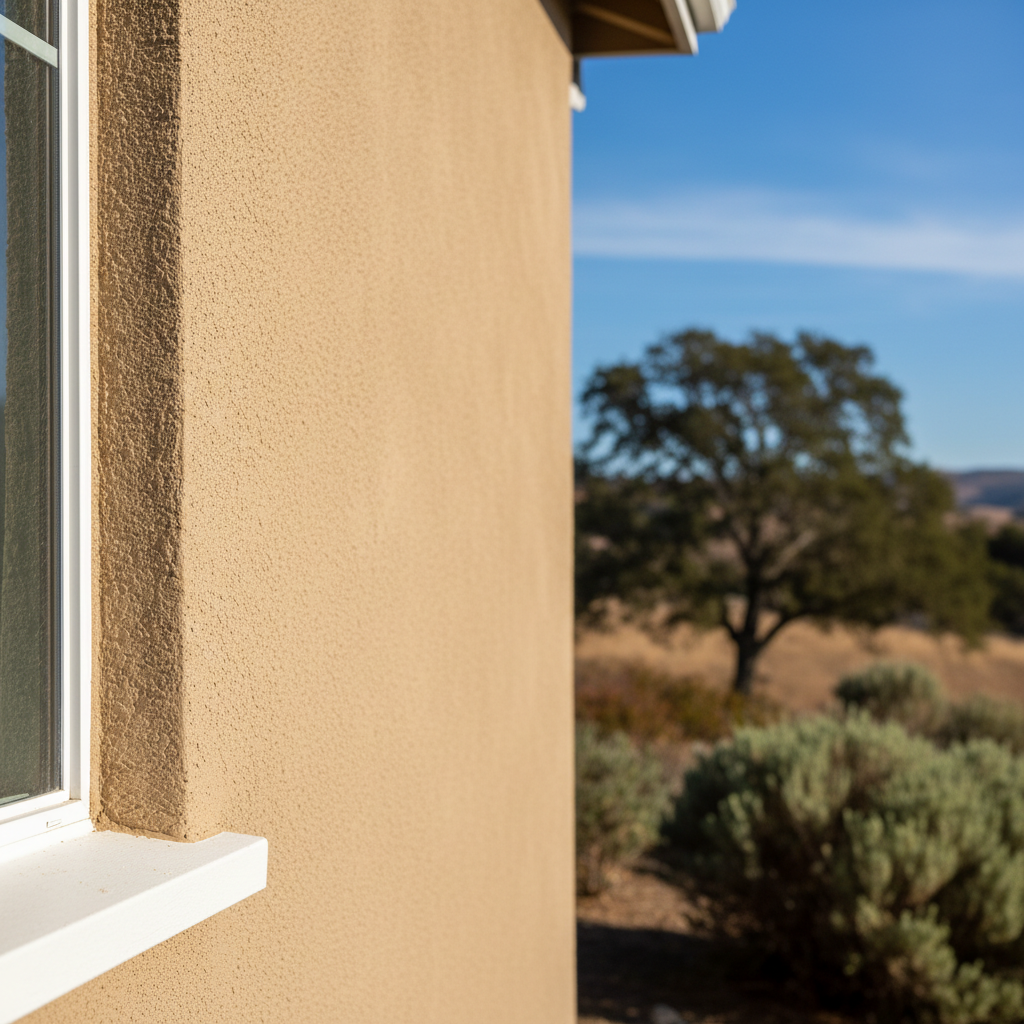
So you're looking at your house, maybe you bought an older place here in Hayward, or you're just tired of the stucco look. You're thinking about taking it off. Good for you for doing your homework first, because stucco removal isn't just a simple tear-down job. I get a lot of questions about this, and I've seen pretty much everything that can go right and wrong. Here are some of the common questions I hear, and what I tell folks.
What's the biggest surprise homeowners face during stucco removal?
Honestly, it's usually the condition of what's underneath. People often assume there's a perfectly preserved, beautiful siding just waiting to be revealed. More often than not, that's not the case at all. You might find damaged sheathing, dry rot, old windows that were never properly flashed, or even just a very rough, uneven surface that wasn't meant to be exposed. Sometimes the original siding, like old redwood or cedar, is still there but it's been damaged by moisture or the stucco installation itself. It's a bit like opening a time capsule; you never really know what you're going to get until you start peeling back the layers.
How long does a typical stucco removal project take for a Hayward home?
This really depends on your house's size and the crew, but for an average single-family home in, say, the hills of Hayward, you're usually looking at anywhere from one to two weeks just for the removal and initial cleanup. That's assuming a two-story house with a crew of three or four guys. If you've got a bigger, more complex home, or if we run into significant issues like extensive dry rot that needs remediation, it can certainly stretch out. Remember, we're not just ripping it off; we're doing it carefully to minimize damage to the underlying structure and to control dust and debris.
Will removing stucco damage my home's structure?
It shouldn't, not if it's done right. The key is careful, controlled demolition. We use specific tools and techniques to pry the stucco away from the lath and sheathing without tearing into the studs or causing structural instability. However, if the stucco was applied directly to a surface not designed for it, or if there's already underlying damage from water intrusion that the stucco was hiding, then removing it might expose those existing problems. That's not damage caused by the removal itself, but rather damage that was already there and is now visible. A good contractor will identify these issues as they come up and discuss solutions with you.
What kind of mess and dust should I expect during the process?
A lot. Stucco is basically cement, sand, and water. When you break it apart, it creates a fine, powdery dust that gets everywhere. We do our best to contain it with tarps, plastic sheeting, and sometimes even water misting, but you'll still find dust. It's just part of the job. You'll want to close all your windows, cover anything valuable in your yard, and maybe even consider having your car detailed afterward. It's not a clean process, but we take steps to minimize the impact on your property and your neighbors. We're pretty good at cleanup at Precision Stucco, but managing expectations on dust is always important.
What are my options for new siding after stucco removal?
Once the stucco is off, your options open up quite a bit. You could go with traditional wood siding like redwood or cedar, which is classic for many older Hayward homes. Fiber cement siding, like HardiePlank, is another popular choice because it's durable, low-maintenance, and comes in a variety of styles that can mimic wood. You could also consider vinyl siding for a more budget-friendly option, or even a modern metal siding if that fits your aesthetic. It really depends on your budget, your desired look, and the condition of the substrate once the stucco is gone. We can help you assess what makes the most sense for your house.
Is stucco removal a DIY project, or should I hire professionals?
Look, I'm a contractor, so you know what I'm going to say, but honestly, this isn't a weekend warrior project. It's physically demanding, dirty, and potentially dangerous. You're dealing with heavy materials, sharp edges, and the risk of falling debris. Plus, there's the expertise needed to identify and address underlying issues, proper disposal of materials, and understanding how to prep the surface for new siding. Unless you have significant construction experience, the right tools, and a crew of strong friends, you're much better off hiring professionals. We've got the equipment, the experience, and the insurance to do it safely and efficiently. It'll save you a lot of headaches and potential costly mistakes down the road.
What happens to all the old stucco material?
That's a good question, and an important one for the environment. All that old stucco has to go somewhere. We typically haul it away to a construction and demolition (C&D) debris recycling facility. They'll sort it out, and much of the material can be crushed and reused as aggregate in new construction projects, like road bases or fill material. It's not just dumped in a landfill, which is good for everyone. We make sure to factor in proper disposal as part of the project plan, so you don't have to worry about a mountain of debris sitting in your driveway.