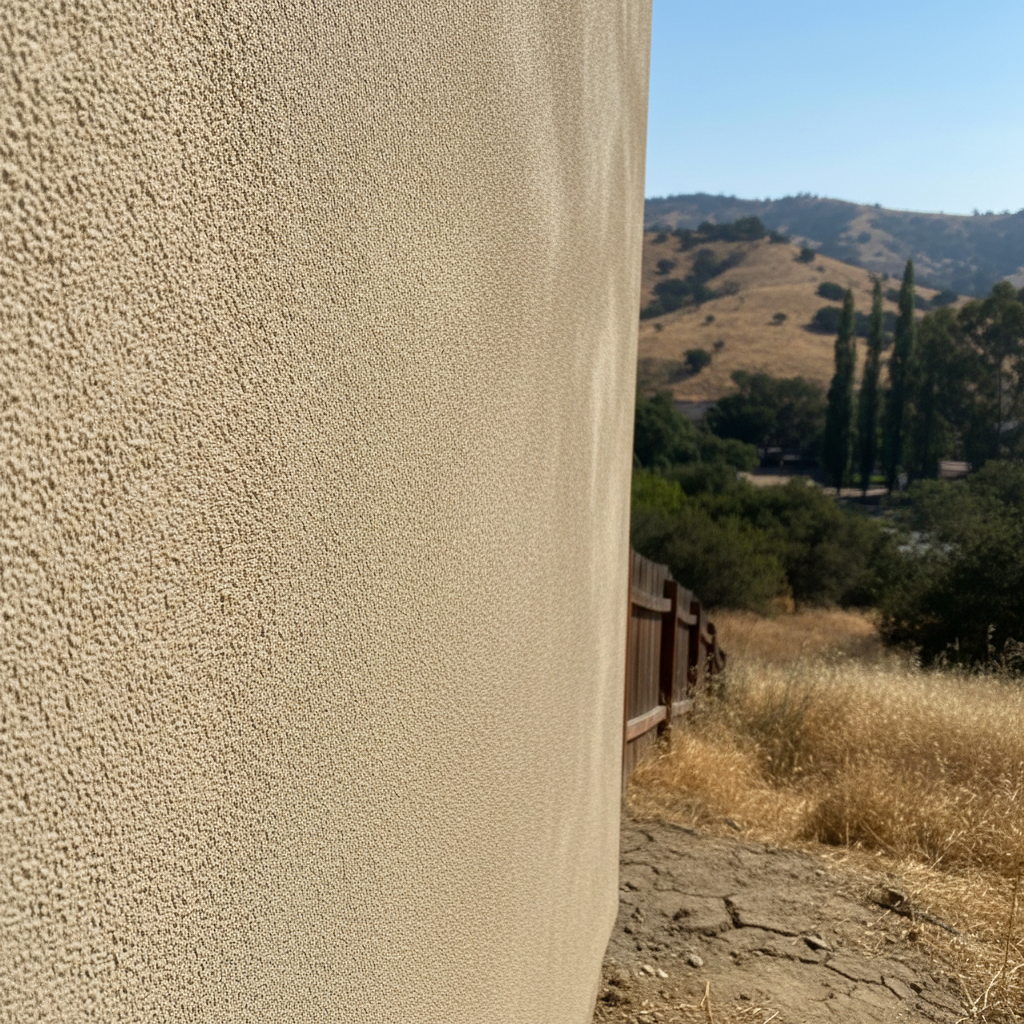
You're probably wondering a lot of things about getting new stucco, right? It's a big investment, and naturally, you want to make sure you're doing it right. Homeowners right here in Hayward ask me a lot of the same questions, so I figured I'd just put together some straight answers. No fluff, just what you need to know from someone who's been doing this for a long time.
What's the difference between traditional stucco and synthetic stucco (EIFS)?
This is probably the question I hear most often. Traditional stucco, sometimes called hard coat stucco, is a cement-based product. It's tough, durable, and it breathes. People have used it for centuries, and it's what you see on many older homes around the Bay Area — including those charming bungalows up in the Hayward hills. We apply it in layers, usually over a wire lath, and it dries to a very hard, rigid finish.
Synthetic stucco, or EIFS (Exterior Insulation and Finish Systems), is a totally different animal. It's built up from several layers, starting with an insulation board (usually foam), then a base coat with a fiberglass mesh, and finally a finish coat that looks like stucco. The big difference? EIFS is an insulating system. It's lighter, more flexible, and performs better thermally. However, it doesn't breathe as well as traditional stucco. That can be a concern if it's not installed perfectly, especially with our occasional heavy rains here.
How long does stucco installation typically take?
That really depends on your home's size and how complex the job is. For an average single-family home in Hayward, let's say around 1,500 to 2,000 square feet, a full stucco installation could take anywhere from two to four weeks. That timeframe includes prep work, applying multiple coats, and allowing for proper drying time between layers. You simply can't rush stucco; it needs to cure correctly, especially those base coats, to ensure it lasts. If someone tells you they can do it in a week, I'd definitely be wary.
What kind of maintenance does new stucco require?
One of the best things about stucco is how little maintenance it needs. Once we've installed it properly, you won't have to do much. I always recommend a good visual inspection once a year, maybe after the rainy season. Look for any cracks, especially around windows and doors, or any signs of moisture getting in. If you see small hairline cracks, those are usually just cosmetic and nothing to worry about. Larger cracks or areas where the stucco is crumbling, though, need quick attention. You can also power wash it gently to clean off dirt and grime, but keep the pressure low and don't get too close – especially with EIFS – to avoid damaging the finish.
Will new stucco improve my home's energy efficiency?
Yes, it absolutely can, but the amount of improvement varies. Traditional stucco itself offers some insulation value because of its mass, which helps stabilize indoor temperatures. It acts as a thermal mass, slowing down heat transfer. If you're going with EIFS, that's where you'll see the biggest jump in energy efficiency. The insulation board in EIFS creates a continuous thermal barrier around your home, drastically cutting down on heat loss in winter and heat gain in summer. This can lead to noticeable savings on your heating and cooling bills, which is a huge plus with those hot Hayward summers.
What kind of warranty should I expect for stucco installation?
A reputable contractor, like us at Precision Stucco, should offer a solid warranty on their workmanship. Typically, you'll see warranties ranging from five to ten years on labor. The materials themselves usually come with their own manufacturer's warranty, which can be even longer. Make sure you get all the warranty details in writing before any work begins. Understand what's covered and what isn't. A good warranty shows that the contractor stands behind their work, and that's something you definitely want.
Can stucco be applied over existing siding, like wood or brick?
Sometimes, but not always, and honestly, it's not always the best idea. It's generally better to remove old siding all the way down to the sheathing. That way, we can ensure a proper, long-lasting stucco system. If you try to apply stucco over existing siding, you're adding a lot of weight and potentially trapping moisture, which can cause big problems down the road. For instance, if you've got old redwood siding that's seen better days, trying to stucco over it could lead to rot and structural issues. We'd usually recommend a full tear-off and proper preparation of the substrate for the best results and longevity.
What happens if there's a problem with my stucco installation later on?
If you've hired a good, licensed, and insured contractor, the first step is to contact them right away. A reputable company will come out, assess the issue, and take steps to fix it – especially if it's covered under their warranty. That's why choosing a local company with a good track record, like Precision Stucco, is so important. We're not going to just disappear on you. If it's a problem outside of the warranty period or due to something like impact damage, they should still be able to provide repair services. Don't try to DIY major stucco repairs; it's a specialized skill, and you could actually make things worse.
Getting new stucco is a big decision, but it's one that can really transform your home's appearance and protection. Hopefully, these answers clear up some of your questions. If you've got more, don't hesitate to ask.